

Facing Federal Charges in Los Angeles? The Stakes Are Higher Than Any State Case
Criminal Defense Against Federal Charges in Los Angeles. 20 Years of Results.
Los Angeles Federal Defense Attorney
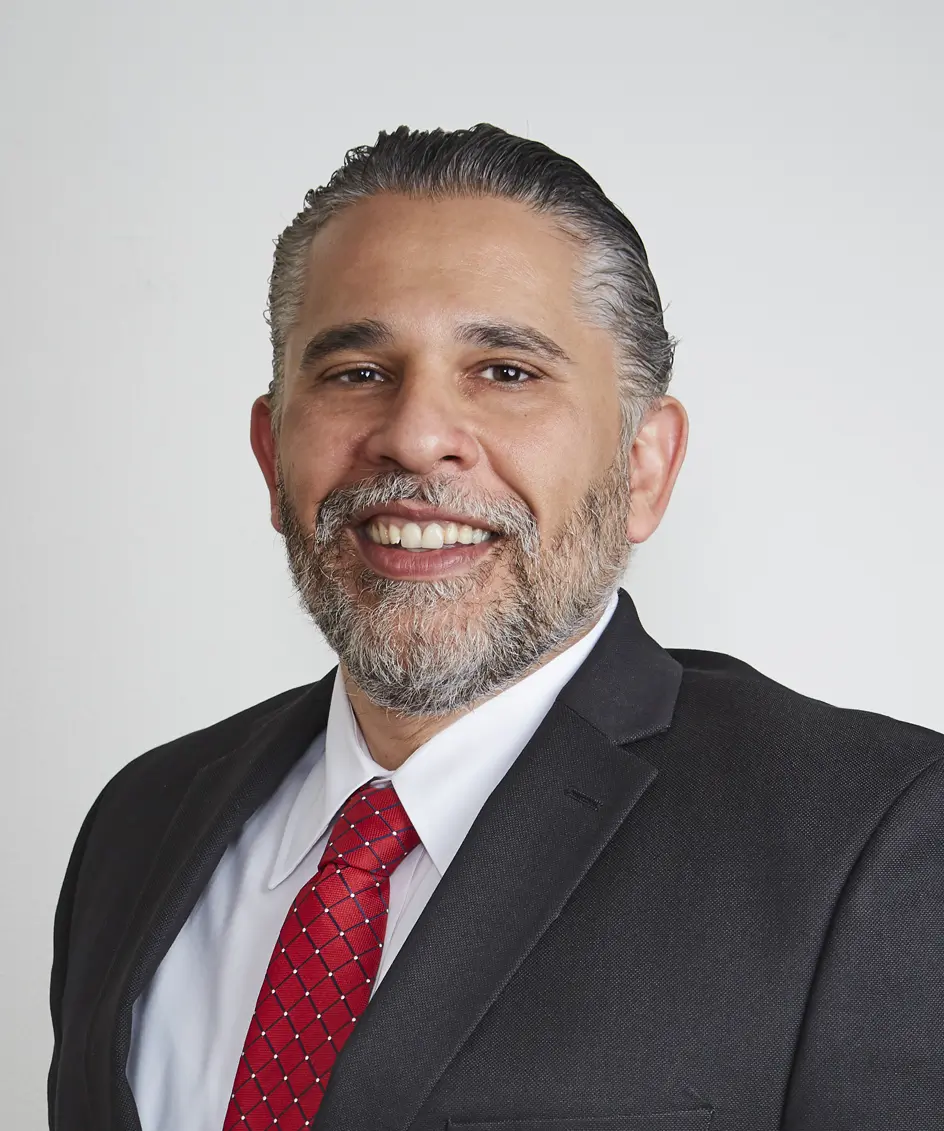
Federal criminal charges are fundamentally different from state charges in ways most people do not understand until they are facing them. Federal investigations are conducted by agencies including the FBI, DEA, ATF, and IRS Criminal Investigation, and federal prosecutors in the U.S. Attorney’s Office for the Central District of California are among the most experienced in the country. At The Law Offices of Arash Hashemi, our criminal defense attorney has over 20 years of experience defending clients against serious criminal charges in Los Angeles, including matters that involve federal jurisdiction. Contact our office today for a free, confidential consultation with a criminal defense attorney who will protect your rights from day one.
Why Federal Cases Demand Early and Strategic Defense
Many clients come to our firm after being charged federally having previously dealt only with state criminal matters. The differences are significant and affect every aspect of how a case must be defended.
Federal Investigations Begin Long Before Any Arrest: Federal agencies conduct investigations that routinely span months or years before any arrest is made. By the time a target letter arrives, a grand jury subpoena is served, or federal agents contact you for an interview, the government has typically assembled a substantial evidentiary record. Early intervention by an experienced federal defense attorney is the most powerful tool available to limit the scope of the investigation and protect your rights before charges are filed.
Federal Prosecutors Are Highly Experienced and Well-Resourced: Assistant U.S. Attorneys in the Central District of California are among the most skilled and experienced prosecutors in the country. They have the full resources of the federal government, specialized investigative agencies, and grand jury process at their disposal. Effective federal defense requires an attorney with equivalent experience, preparation, and a demonstrated ability to challenge the government’s case at every stage.
Federal Sentencing Guidelines Are Strict: Unlike California state court, federal sentencing is governed by the U.S. Sentencing Guidelines, which calculate advisory sentencing ranges based on the offense level and the defendant’s criminal history. Many federal offenses also carry mandatory minimum sentences that judges are required to impose regardless of the circumstances. Understanding the guidelines, identifying grounds for downward departures and variances, and building a comprehensive sentencing mitigation case are all critical components of effective federal defense.
Federal Conviction Rates Exceed 90 Percent: Federal prosecutors do not file charges without extensive evidence. The federal conviction rate exceeds 90 percent nationwide, which means the decision about when and whether to take a federal case to trial requires careful, experienced judgment. Our firm evaluates every federal case with the same trial-ready preparation regardless of how the case ultimately resolves, because that preparation is what creates leverage in negotiations and produces the best possible outcomes.
Federal Criminal Charges Our Firm Defends in California
Our federal criminal defense attorney defends clients against the full range of federal charges in the U.S. District Court for the Central District of California, including:
Federal Drug Charges (21 U.S.C. § 841 / § 846)
Federal drug trafficking charges carry mandatory minimum sentences of 5 to 40 years depending on the substance and quantity involved, with life sentences available for the most serious cases. Federal drug investigations frequently involve wiretaps, confidential informants, and multi-agency task forces. Our firm challenges the constitutionality of electronic surveillance, the reliability of confidential informants, and the sufficiency of the evidence in every federal drug case.
Federal Firearms Charges (18 U.S.C. § 922 / § 924)
Federal firearms offenses include possession of a firearm by a prohibited person, use of a firearm during a drug trafficking crime or crime of violence, and illegal trafficking in firearms. The Armed Career Criminal Act (ACCA) imposes a mandatory minimum 15-year sentence for defendants with three or more prior qualifying convictions. Our firm defends federal firearms charges through Fourth Amendment suppression motions and challenges to ACCA predicate conviction designations.
Federal Fraud Charges (18 U.S.C. § 1341 / § 1343 / § 1344)
Wire fraud, mail fraud, and bank fraud are foundational federal charges that carry up to 20 to 30 years per count. Because federal prosecutors charge each use of electronic or postal communications as a separate count, total exposure in fraud cases can be substantial. Our firm defends federal fraud charges through forensic accounting analysis, challenges to the government’s evidence of intent, and Fourth Amendment suppression motions where search warrants were deficient.
Federal Money Laundering (18 U.S.C. § 1956 / § 1957)
Federal money laundering charges carry up to 20 years per count and are frequently filed alongside underlying drug, fraud, and corruption charges, compounding total sentencing exposure significantly. Money laundering convictions also carry mandatory civil forfeiture of all assets involved in or traceable to the laundering scheme. Our firm defends money laundering charges through forensic financial analysis and direct challenges to the government’s tracing methodology.
Federal Sex Crimes and Child Exploitation (18 U.S.C. § 2252 / § 2422)
Federal child pornography and online solicitation charges carry mandatory minimum sentences of 5 to 20 years with significant enhancements for distribution, production, and prior offenses. Federal sex crime investigations are conducted by the FBI Crimes Against Children unit and Homeland Security Investigations and are among the most thoroughly prepared federal prosecutions. Our firm defends federal sex crime charges through Fourth Amendment suppression of digital evidence and challenges to the government’s identification of the defendant as the user of the devices or accounts at issue.
Federal Human Trafficking (18 U.S.C. § 1591)
Federal human trafficking for commercial sex acts carries mandatory minimum sentences of 10 years to life in federal prison, with life imprisonment mandatory when the victim is a minor. These cases are investigated by multi-agency task forces and prosecuted with significant resources. Our firm defends federal trafficking charges through challenges to the government’s evidence of force, fraud, and coercion and to the credibility of cooperating witnesses.
Federal Healthcare Fraud (18 U.S.C. § 1347)
Los Angeles is one of the highest-volume federal healthcare fraud enforcement regions in the country. Federal healthcare fraud carries up to 10 years per count, and the Central District of California’s Healthcare Fraud Strike Force prosecutes these cases with specialized prosecutors and law enforcement agents. Our firm defends healthcare providers, billing companies, and medical businesses against healthcare fraud allegations through rigorous analysis of billing records, coding practices, and medical necessity determinations.
Federal Public Corruption and Bribery (18 U.S.C. § 201 / § 666)
Federal bribery of public officials carries up to 15 years per count, and federal program fraud affecting organizations receiving federal funds carries up to 10 years per count. Public corruption investigations are conducted by the FBI’s Public Corruption Unit and frequently involve lengthy undercover operations and extensive electronic surveillance. Our firm defends public corruption and bribery charges through challenges to the characterization of payments as bribes and to the conduct of undercover operations.
Federal Tax Crimes (26 U.S.C. § 7201 / § 7206)
Federal tax evasion carries up to 5 years per count and filing a false tax return carries up to 3 years per count. IRS Criminal Investigation is one of the most methodical investigative agencies in the federal government, and the cases they develop for prosecution are typically built on extensive financial records and audit histories. Our firm defends federal tax crimes through independent forensic accounting analysis and direct challenges to the government’s revenue and loss calculations.
RICO and Federal Conspiracy Charges (18 U.S.C. § 1962 / § 371)
The Racketeer Influenced and Corrupt Organizations Act (RICO) allows federal prosecutors to charge individuals for participating in a pattern of racketeering activity conducted through an enterprise, with penalties of up to 20 years per count plus forfeiture of all proceeds. Federal conspiracy charges under 18 U.S.C. § 371 carry up to 5 years and are routinely added to substantive charges to expand the scope of the alleged criminal conduct and the number of defendants. Our firm defends RICO and conspiracy charges by challenging the existence of the alleged enterprise and pattern, and by severing our client’s conduct from the broader alleged scheme.
The Federal Investigation and Prosecution Process in Los Angeles
The Investigation Phase: Federal investigations begin with an agency referral, a complaint, or intelligence developed by a federal task force. Agents gather evidence through physical surveillance, electronic surveillance including wiretaps and pen registers, grand jury subpoenas, confidential informants, undercover operations, and search warrants. This phase can last months or years, and the target frequently does not know they are under investigation until the government chooses to reveal it through a target letter, an arrest, or an indictment.
Target Letters and Grand Jury Subpoenas: A target letter from the U.S. Attorney’s Office notifies a person that they are the target of a federal grand jury investigation. Receipt of a target letter is one of the most serious legal situations a person can face, and it requires immediate legal representation. Similarly, a grand jury subpoena requiring production of documents or testimony demands careful legal analysis before any response is made. Our firm represents clients at this critical stage, advising on the full range of available options including Fifth Amendment assertion, privilege claims, and direct engagement with prosecutors.
The Grand Jury: Federal cases are typically initiated through a grand jury indictment. Grand jury proceedings are conducted in secret, and targets have no right to be present or to present a defense. The grand jury hears only the government’s evidence and applies a probable cause standard, meaning indictments are returned in the vast majority of cases where the government presents a case. Our firm advises clients on grand jury strategy and monitors developments in the investigation to the fullest extent possible during this phase.
Arraignment and Pretrial Proceedings: Following indictment or a criminal complaint, the defendant is arraigned in federal court, bail or detention conditions are set, and the pretrial litigation phase begins. Pretrial motions in federal court include motions to suppress evidence, motions to dismiss for constitutional violations or legal insufficiency, motions for severance from co-defendants, and motions for disclosure of grand jury materials and government informants. Our firm files comprehensive pretrial motions in every federal case, understanding that the outcome of these motions frequently determines the entire trajectory of the prosecution.
Federal Sentencing: If a federal case resolves through trial or a guilty plea, federal sentencing is governed by the U.S. Sentencing Guidelines. The guidelines calculate an advisory sentencing range based on the total offense level, which accounts for the nature of the offense, the amount of loss or quantity of drugs, the defendant’s role, and other specific offense characteristics, combined with the defendant’s criminal history category. Judges are not required to follow the guidelines but must consider them. Our firm builds comprehensive sentencing mitigation cases that address every factor the guidelines and the court will consider, and advocates for below-guidelines sentences through downward departures and variances wherever the facts and law support them.
Federal Sentencing Guidelines: What They Mean for Your Case
The U.S. Sentencing Guidelines are one of the most consequential aspects of federal criminal defense and one of the least understood by clients unfamiliar with the federal system. Here is what you need to know:
- The guidelines calculate an advisory sentencing range in months based on two factors: the total offense level and the defendant’s criminal history category.
- The total offense level is determined by a base offense level specific to the charge, plus adjustments for factors including loss amount, number of victims, use of a weapon, the defendant’s role in the offense, and obstruction of justice.
- Loss amount in fraud cases and drug quantity in drug cases are the single largest drivers of the offense level and therefore the guideline range. A difference of a few thousand dollars in loss calculation or a few grams of drug weight can mean years of additional guideline exposure.
- Many federal offenses carry mandatory minimum sentences that the judge is required to impose regardless of the guidelines or the individual circumstances of the case. Safety valve provisions offer limited relief from mandatory minimums for qualifying first-time drug offenders.
- Substantial assistance motions under U.S.S.G. § 5K1.1 allow prosecutors to recommend below-mandatory-minimum sentences for defendants who provide substantial assistance to the government. Our firm advises every client on the full implications of cooperation before any decision is made.
- Judges have discretion to impose sentences below the guideline range through downward departures and variances based on factors including the defendant’s personal history and characteristics, family circumstances, acceptance of responsibility, and the nature and circumstances of the offense. Building and presenting a compelling sentencing mitigation case is one of the most important things our firm does in every federal case.
Legal Defense Strategies in Federal Criminal Cases
Fourth Amendment Suppression of Evidence
Unlawful searches, seizures, and electronic surveillance are the most powerful grounds for suppression in federal cases. Federal wiretap orders under Title III require a showing of probable cause and necessity that is more demanding than a standard search warrant. Cell site location information requires a warrant under Carpenter v. United States. GPS tracking and pen register data are subject to their own constitutional requirements. Our firm scrutinizes every warrant, wiretap order, and surveillance authorization in every case and files targeted suppression motions where the constitutional threshold was not met.
Challenging Confidential Informants
Federal cases frequently depend on testimony from confidential informants who have received significant benefits in exchange for their cooperation. Our firm investigates the background, prior criminal history, and compensation of every informant, files Roviaro motions to compel disclosure of informant identities where appropriate, and cross-examines cooperating witnesses with precision to expose their motivations and credibility issues.
Attacking the Sufficiency of the Indictment
Federal indictments must allege every essential element of the charged offense with sufficient specificity to put the defendant on notice and to protect against double jeopardy. Our firm analyzes every indictment for legal insufficiency, duplicity, multiplicity, and failure to state an offense, filing motions to dismiss where the indictment does not meet the constitutional and statutory requirements.
Sentencing Guideline Challenges
The most consequential litigation in many federal cases happens at sentencing. Loss amounts, drug quantities, role enhancements, and other guideline adjustments are all subject to challenge through evidentiary hearings at sentencing. Our firm contests every adverse guideline calculation, presents independent expert analysis where necessary, and builds comprehensive sentencing mitigation arguments that address every factor the court will consider.
Negotiating Plea Agreements and Cooperation
Given the federal conviction rate and the severity of mandatory minimum sentences, negotiating a favorable plea agreement is often the most important work our firm does in a federal case. Our firm negotiates directly with Assistant U.S. Attorneys from a position of strength built on thorough case preparation, identifies the specific charges and guideline adjustments most critical to our client’s exposure, and advises every client fully on the implications of cooperation before any decision is made.
Why Clients Facing Federal Charges in Los Angeles Choose The Law Offices of Arash Hashemi
Federal cases demand a defense attorney with experience in federal court, a command of the Sentencing Guidelines, and the preparation to fight the U.S. Attorney’s Office at every stage of the process.
We Engage Before Charges Are Filed: The most critical decisions in a federal case are often made before an indictment is returned. Our firm engages with federal investigators and prosecutors at the earliest possible stage, advises on grand jury strategy, and negotiates directly with the U.S. Attorney’s Office to prevent charges from being filed or limit their scope.
Every Case Is Prepared for Trial: Federal prosecutors negotiate differently with attorneys who are genuinely prepared to go to trial. Our firm prepares every case from the moment of retention, filing comprehensive pretrial motions, retaining independent experts, and building a defense that creates real leverage at every stage of the proceedings.
One Attorney on Your Case from First Call to Final Resolution: Attorney Hashemi handles your federal case personally throughout. You will never be handed to a junior associate or left without answers. In a case that can span years of investigation and litigation, that direct access matters.
Contact a Los Angeles Federal Criminal Defense Attorney
If you are under federal investigation or have been charged in the U.S. District Court for the Central District of California, do not speak to investigators without an attorney present and do not wait. Federal cases move on the government’s timeline, and the decisions made in the earliest stages of your defense will determine the range of outcomes available to you.
At The Law Offices of Arash Hashemi, we have spent over 20 years representing clients across Los Angeles County. Call our firm immediately or schedule a confidential consultation with Attorney Hashemi using our secure online system. We will review the facts of your case, explain your options, and build a defense strategy focused on protecting your record and your future.
Schedule a Free Consultation:
- Phone: (310) 448-1529
- Email: Info@hashemilaw.com
- Address: 11845 W Olympic Blvd #520, Los Angeles, CA 90064
- Office Hours: Monday to Friday, 8:30 AM – 5:00 PM, with flexible scheduling options available, including weekend appointments.
We are conveniently located in the Westside Towers, serving clients facing federal charges across Los Angeles, Beverly Hills, Santa Monica, the San Fernando Valley, Pasadena, Long Beach, and all surrounding communities. Contact our federal criminal defense attorney today. Your defense starts the moment you call.